
FAQ1. Welcome to our FAQ page! Here are the most common and frequently asked questions about fuel system and engine parts, answered in a simple and straightforward manner. If you have any other questions, do not hesitate to contact our support.
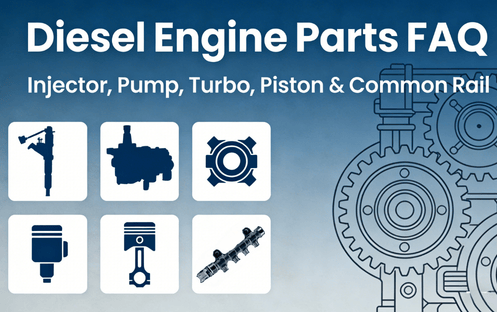
Q: How to know a fuel injector is clogged?
A: Rough idle, slow acceleration, mpg worse than calculation, misfire, black smoke emitted from exhaust.
Q: How to clean fuel injectors without removing?
A: Apply fuel system cleaner additive or professional ultrasonic cleaning.
Q: What is the life expectancy of a fuel injector?
A: Depends on fuel quality & transport, routine maintenance etc. Typically 100000 - 150000 miles.
Q: Can you drive with a bad fuel injector?
A: You shouldn't be driving with this problem. It could wreck your engine, damage your catalytic converter and make you need a tow.
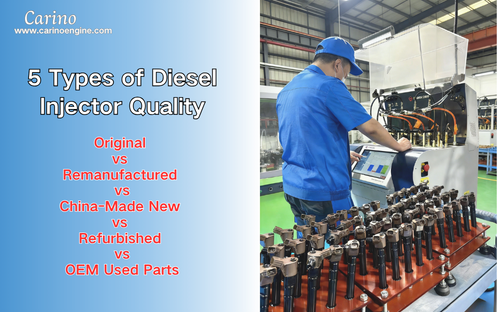
Q: What is the difference between OEM and re-manufactured injectors?
A: New OEM in original factory packaging, remanufactured injectors are rebuilt and tested true to OEM specifications, remanufactured injectors are also tested for flow.
Q: Why do fuel injectors die early?
A: Contaminated fuel, water contamination in fuel, poor quality additives, electromagnetic interference, aging.
Q: Must all the injectors be replaced at the same time?
A: Balanced performance recommended; it may be slightly out of balance if you have new and old injectors.
Q: How can I check my fuel injector flow rate?
A: On a flow test bench, you can check spray pattern, volume and leakage.
Q: Can bad injectors produce white smoke?
A: Yes – normally from unburned fuel or inaccurate injection timing.
Q: Will that help get more miles per gallon with new injectors?
A: Yes, if the old ones were clogged or leaking – spray restoration results in better performance.
Q: What is common rail injector?
A: It is a high-pressure injector that is extensively used in the modern day diesel engines to accurately regulate fuel.
Q: What is the best way to identify fake fuel injectors?
A: Remove the serial number of the fake product, Check the serial numbers, packaging, weight, quality of spray, and reputation of the vendor.
Q: Should fuel injectors be programmed?
A: Most of the modern injectors need to be coded/calibrated for matching them with the ECU.
Q: What causes fuel injector dripping?
A: Seals that have been worn, damaged nozzle, cracked body, or too much pressure.
Q: Can cowboy diesel and cowboy gas injectors be used interchangeably?
A: They are nothing alike – they use different pressures, different designs and different sprays.
Q: What are the symptoms of a high-pressure fuel pump going bad?
A: Hard start, low power, engine stalling, misfires, low rail pressure code.
Q: How do I know if my fuel pump is running?
A: Check fuel pressure, listen for pump noise, test for voltage, and visually inspect the supply for adequacy.
Q: How long does a diesel fuel pump last?
A: 100,000 to 150,000 miles on clean fuel and less if contaminated.
Q: Could a bad fuel pump cause no start symptom?
A: Yeah, nothing to fuel = nothing to start or run.
Q: Mechanical v.s. electric fuel pump?
A: good for mechanical for older engines and for electric for high pressure and EFI systems.
Q: What causes a fuel pump to burn up?
A: Running out of gas, clogged filter, voltage spike, poor wire installations, overheating.
Q: Do the pump and filter need to be replaced together?
A: Yes, the pump life is reduced and the performance is decreased with a contaminated filter.
Q: What is HPFP?
A: The High-Pressure Fuel Pump is found in common rail diesel and direct-injection gasoline engines.
Q: Is there a way to fix a fuel pump?
A: Most are replaced; some parts, such as seals, may be serviced.
Q: A new fuel pump will restore power?
A: Yes, if restricted fuel flow is limiting the engine power output and causing the hesitation.
Q: What are the symptoms of a turbo failure the most?
A: Power loss, smoke, warbling noise, oil drips, overboost / underboost codes.
Q: Is a turbo repairable or does it need to be replaced?
A: Replace if the wheel or housing is broken; repair an if it's only the bearings/seals that are damaged.
Q: How long should a turbo last?
A: 150,000+ with good oil habits and cool down habits.
Q: Why does a turbo whistle or whine?
A: Worn bearings, damaged compressor wheel, or boost leak.
Q: Will a turbo add horsepower?
A: Yes you do, More air to engine = more power and torque.
Q: How to break in a new turbo?
A: Don’t run at full boost for the first 500–1000 km; oil changes like normal.
Q: What destroys a turbo the fastest?
A: No oil, dirty oil, overheat, too subject to high load before warm-up.
Q: Can I drive with a bad turbo?
A: No good; risk of oil fire, engine damage, or sudden loss of power.
Q: What It Is And How Is It Affecting Me?
A: Lag is when you have to wait before you get boost after you step on the pedal, totally normal in older turbo systems.
Q: Do turbos need special oil?
A: Yes, you want high quality fully synthetic oil to ensure the protection of the bearings under high temperature.
Q: What makes the piston get damaged?
A: Overheat, detonation, not enough oil, foreign matter, broken rings.
Q: When do I know if I need new pistons?
A: Poor compression, abnormally high oil consumption, noise and scuffing on piston skirt.
Q: Standard or oversized pistons?
A: Standard = original bore size Oversize = used when a cylinder is bored out as a repair.
Q: What if piston rings break?
A: It burns oil, you get a blue smoke, you got a low compression, and you pauper power.
Q: What are the symptoms of a bad cylinder liner?
A: Loss of coolant, white smoke, oil contamination, air leak and poor sealing.
Q: Is it possible to change a wet liner without removing the engine?
A: On some motors you can go so far as to just remove the block.
Q: What causes engine bearing to fail?
A: Oil starvation, oil first of all, oil pollution, metal fragments, overloading, misalignment,etc, etc.
Q: How does a bad main bearing sound?
A: Deep knocking, Louder at Idle Speed and Under Workload.
Q: Can I recycle engine bearings?
A: Well no, they need to be replaced if you want a reliable engine rebuild.
Q: How to extend piston and bearing life in hydro iron?
A: Clean oil, frequent oil changes, avoid overheating, and use quality parts.
Q: How do I avoid losing fuel system pressure?
A: Use clean fuel, change your filters, use the good additives, patch up any leaks sooner rather than later.
Q. What is common rail system?
A: High-pressure fuel line system used in newer diesel engines that provides a precise level of injection control.
Q. How frequently do I need to change the fuel filter?
A: Every 15000 to 30000 km; less for poor quality of fuel.
Q: Does bad fuel ruin injectors?
A: Yes, water and dirt and impurities in the fuel that cause the injectors to clog and wear out faster.
Q: Can I trust aftermarket parts?
A: Well-made aftermarket parts can provide the same performance as OEM parts at a much lower cost.
If you still have any other questions for common rail system, welcome to contact our professional team via email, or phone for personalized support.
Email: carey@carinoengine.com | WhatsApp: +86 18344017424 | Wechat: +8618344017424
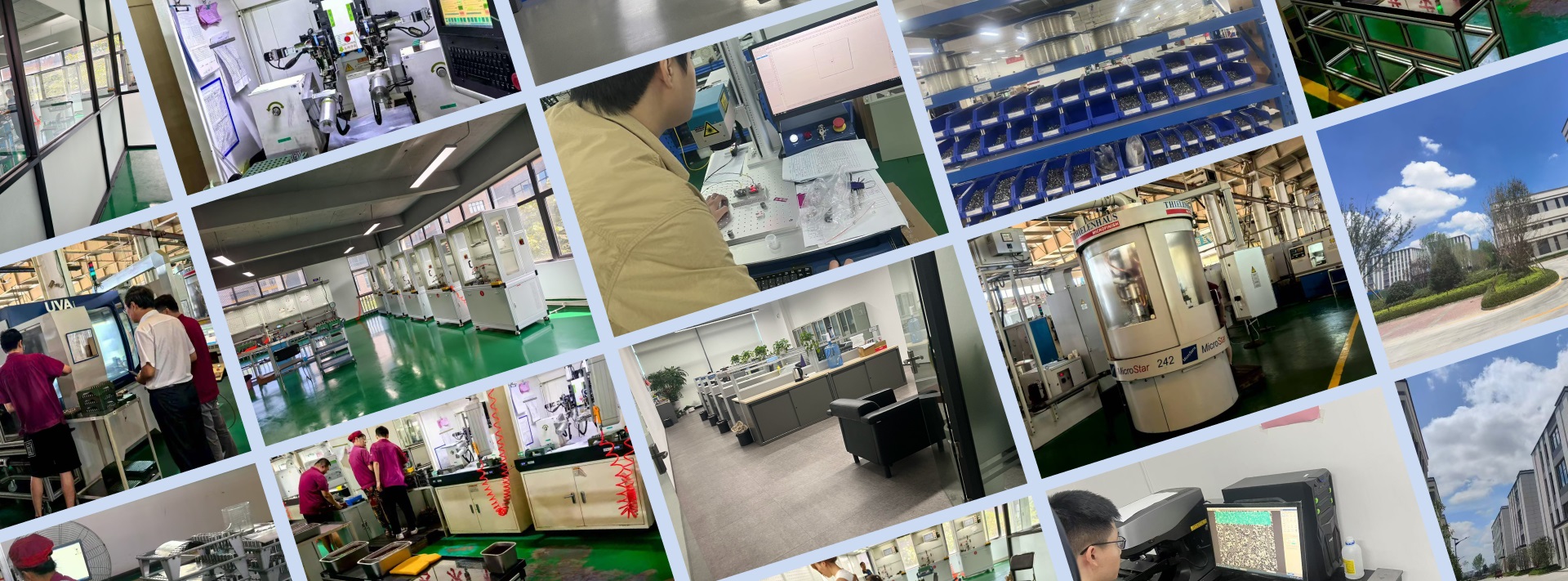
Address: Room 211 Building C, Jinchi Business Center Hedong Industrial Area Xin'an Avenue Bao An District, Shenzhen Guangdong, China, 518101
Copyright © 2025 Shenzhen Carino Auto Parts Co., Ltd All rights reserved.
.webp)
.webp)
