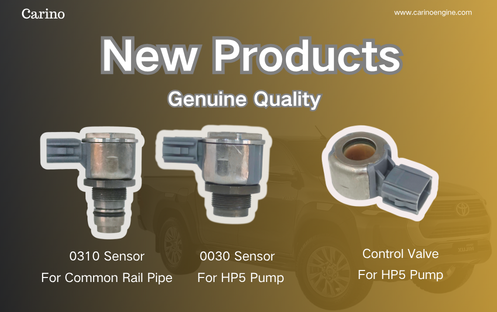
Diesel Injector is one of the most important parts of diesel engine. Its main job is to spray the exact amount of diesel fuel into the engine’s combustion chamber at the right time and with the right pressure.
Good working injector makes the engine run smoothly, burns fuel fully, and saves fuel costs. It also stop too much harmful smoke from coming out of the exhaust pipe. Therefore, a good injector indispensable for diesel vehicles like trucks, farm equipment, and small generators, and excavators.
If injectors fail, the whole engine will stop working well, and you may face big repair bills later. Keeping injectors in good conditions helps your diesel engine working reliable for a long time.
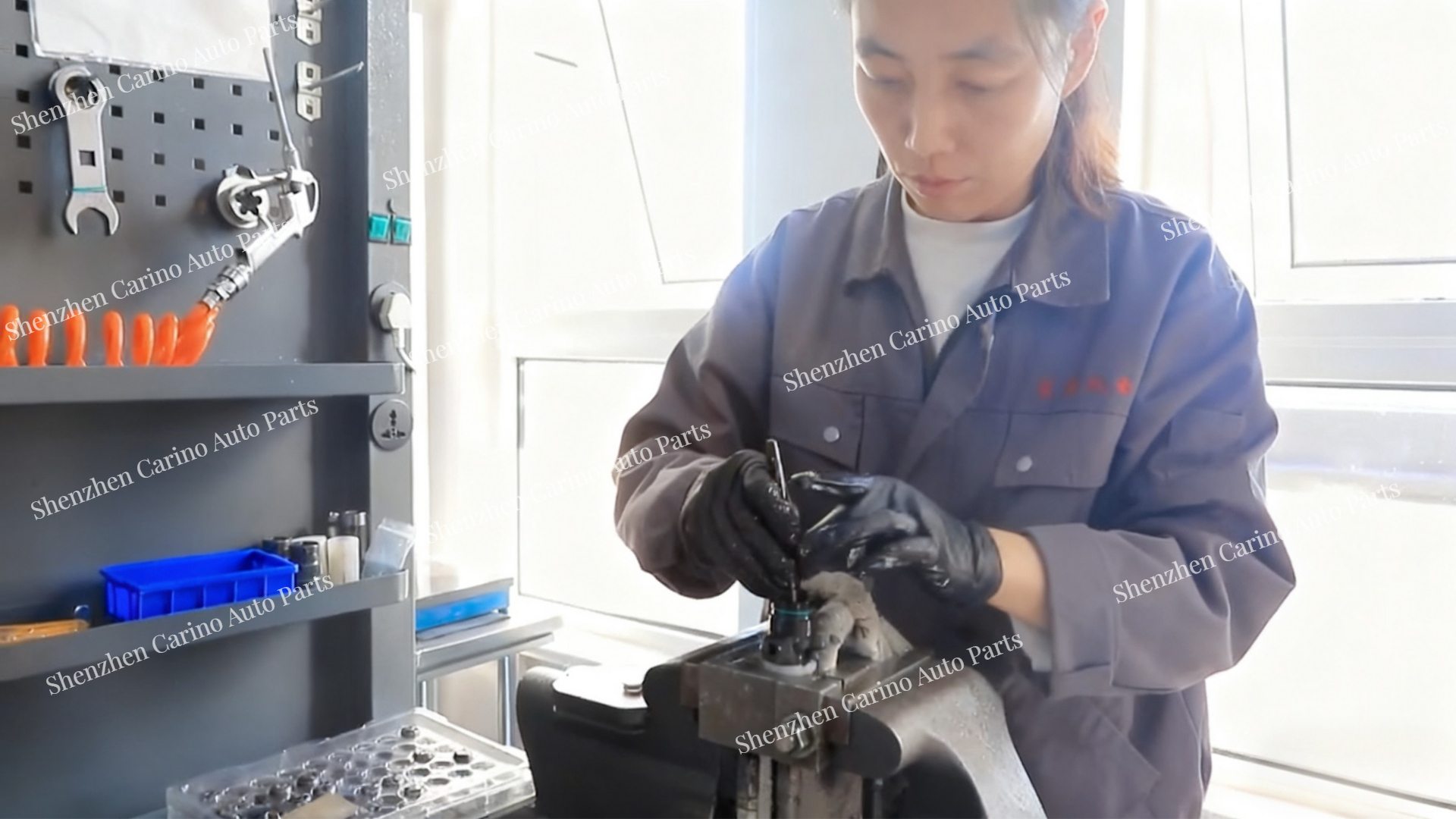
When it come to knowing when the diesel Injector has been broken or malfunctioning, you can easily determine it by clear symptoms.
First off, the engine is difficult to start: it might require a few cranks to get it going, or it might not start at all.
Second, thick black smoke is produced from the exhaust, which indicates that fuel-ow incomplete combustion.
Third, the engine vibrates a lot while running, and it loses power — you will see that it cannot. accelerate much.
Fourth, fuel consumption increases and you need to refuel more often without driving more miles, then we got a fourth badge! Symptoms like these indicate that your injectors are in need of inspection (and possibly repair) immediately before they contribute to more damage to your engine.
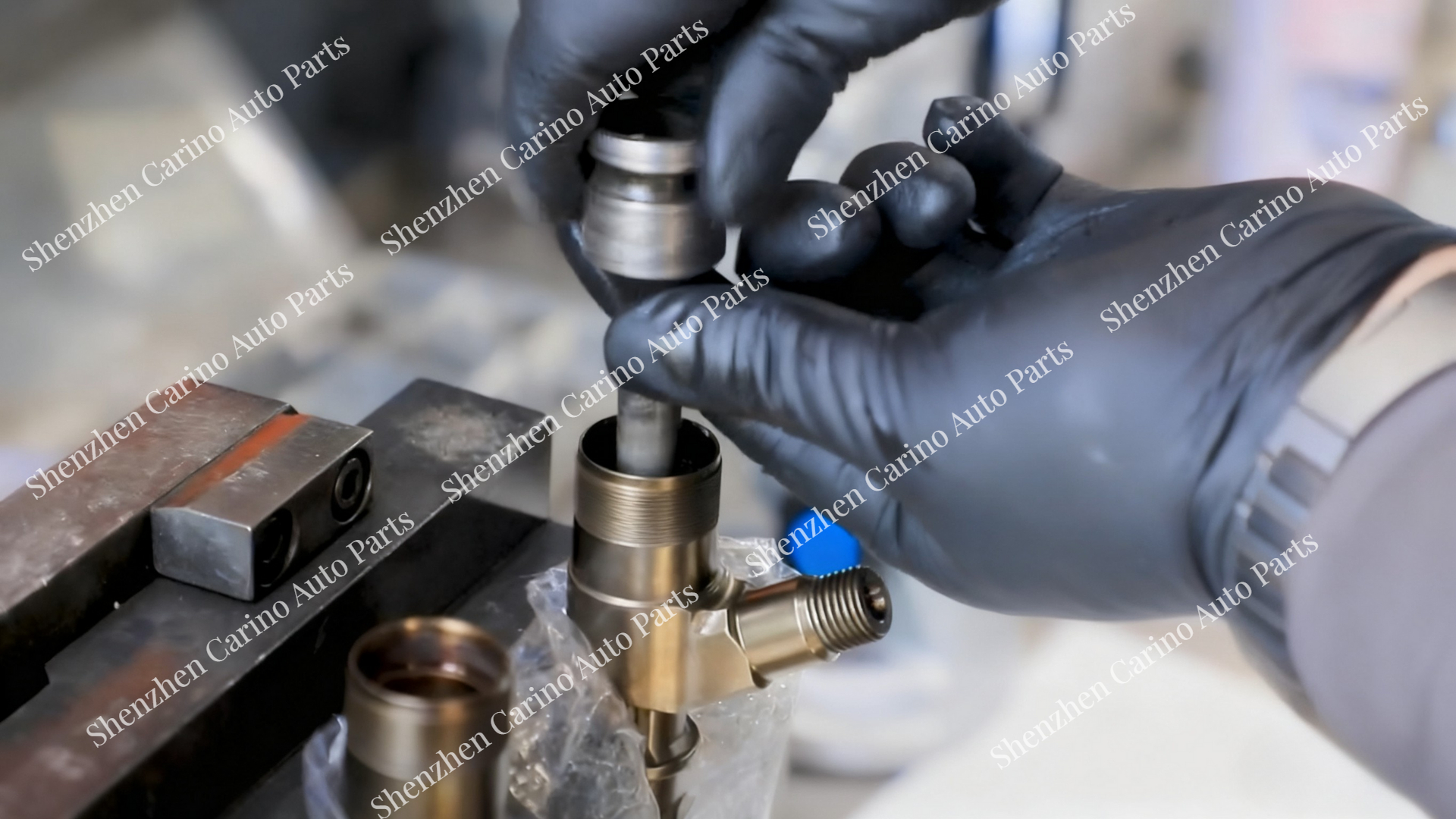
It is easy to repair a diesel Injector if you follow these steps.
Step 1 Disconnect the battery and remove the injectors from the engine carefully. Mark each injector so they go back in the same places.
2. Swipe each injector ‘exterior’ with a clean, damp cloth lightly moistened with diesel-safe cleaning agent to clean away any surface dirt and hardened oil.
3. Inspect the nozzle of the injector for clogging or degeneration, for a clogged nozzle will not be able to atomize fuel effectively. The diesel injector is made up of many smaller part, the first thing to do is check if these parts are worn or broken.
4. Clean (scotch-brited, if necessary) or replace smaller broken parts such as the nozzle, control valve, armature or sealing ring.
5. Installing the injector again after replace the spare parts.
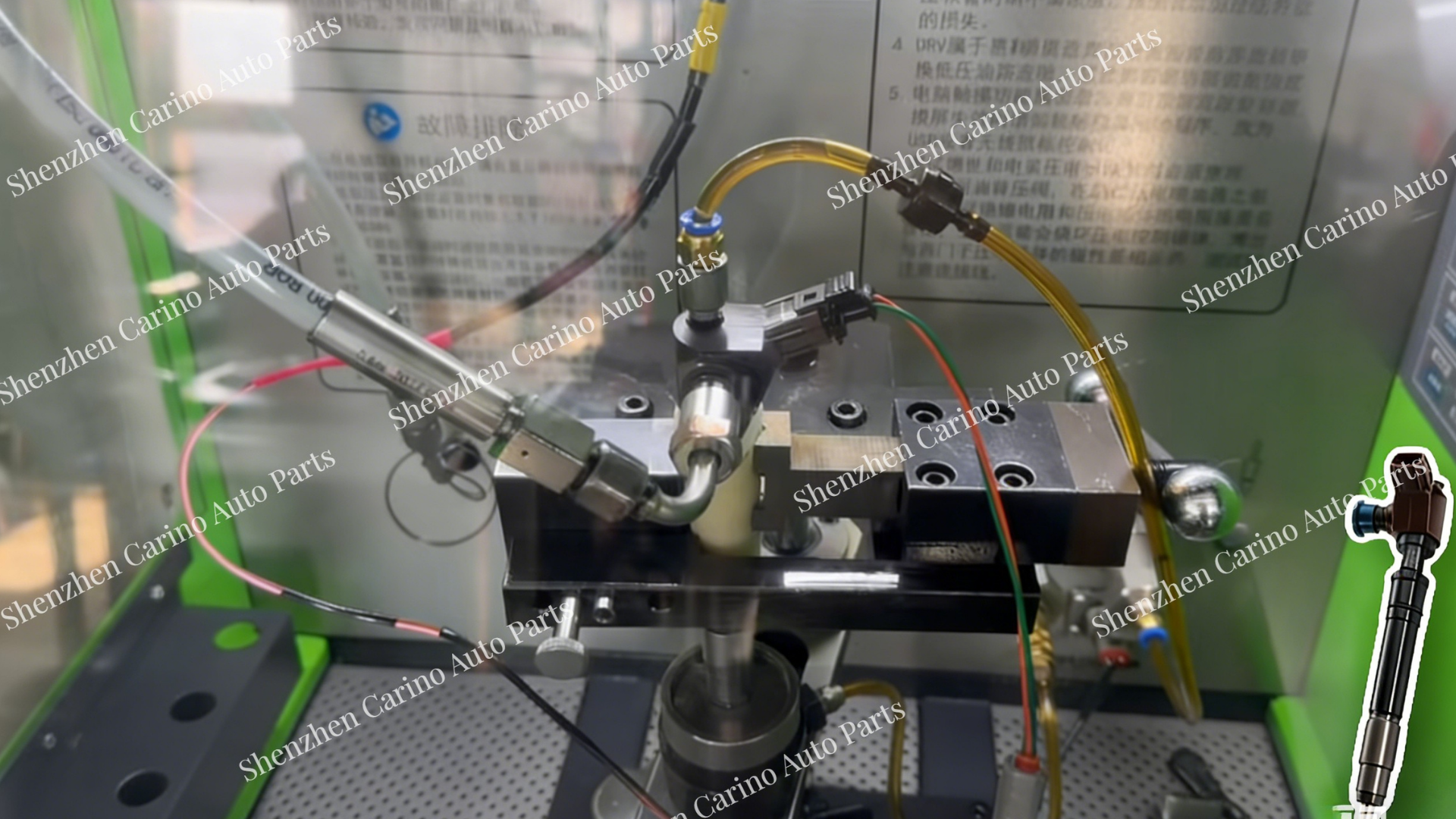
6, Test the injector to be certain it sprays fuel uniformly and at the right pressure.
To conclude, reinsert the repaired injector into the engine in the proper sequence, attach the battery, and crank it up to see if it stalls. If you are not sure, please seek help from a professional mechanic so as to avoid mistakes.
If you're a green hand on mechanical repairs or you just don't got the proper tools, bring the injector to a diesel vehicle repair shop and have them work their magic, I promise it'll be worth your time.
Address: Room 211 Building C, Jinchi Business Center Hedong Industrial Area Xin'an Avenue Bao An District, Shenzhen Guangdong, China, 518101
Copyright © 2025 Shenzhen Carino Auto Parts Co., Ltd All rights reserved.
.webp)
.webp)
.webp)